From the Field Journal of Ambrose Penhallow
The Pegasus
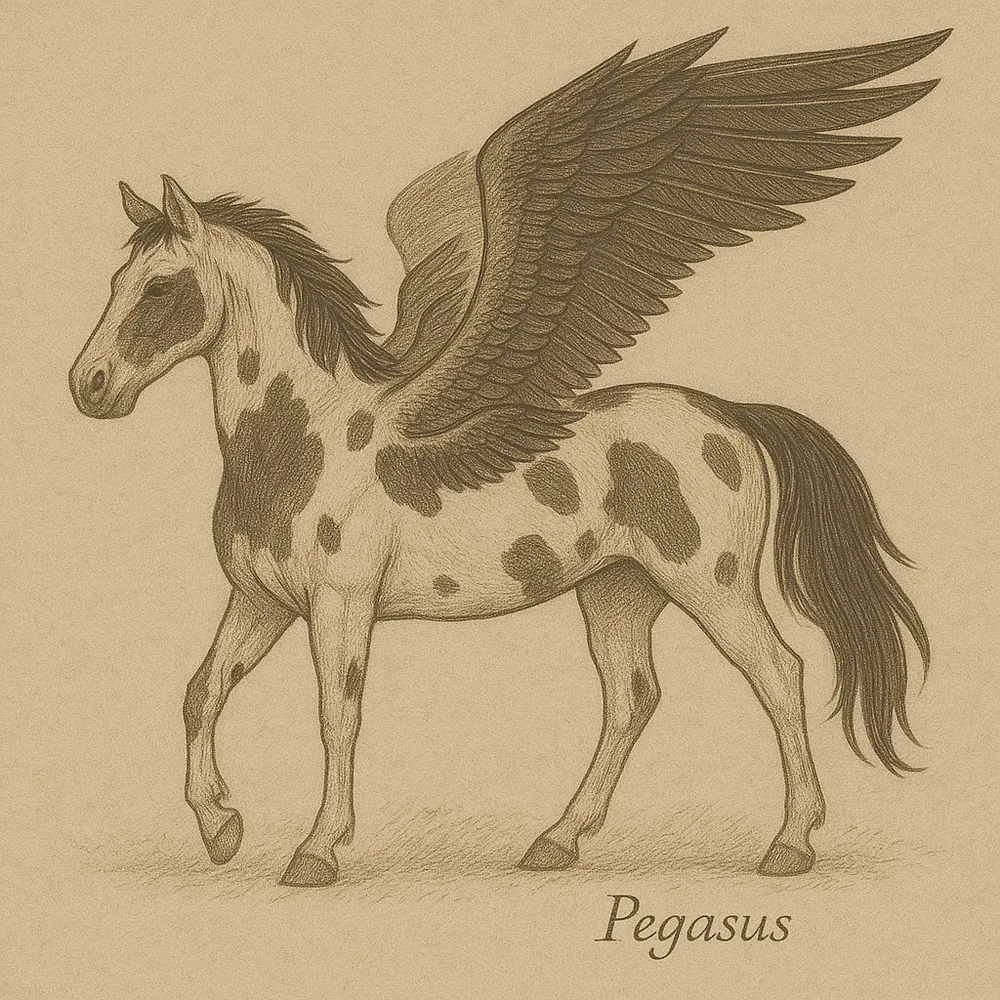
There is no creature more painted, sung about, or embroidered on tavern signs than the Pegasus, and yet the real thing still catches me off guard. It is a horse, yes, of the ordinary shapes: dappled grey plains ponies, sleek chestnut warhorses, shaggy hill breeds. But folded along its sides are wings so large that a grazing Pegasus looks rather like a horse that has been tucked in for the night under a feather quilt.
They graze the open plains by day and drift up to the cloud pastures in the evening, where the grass (I am assured; I have not been) is sweeter and grows in the mist itself. A herd taking off together is a sight I will never forget: a thunder of hooves, faster and faster, and then simply no hooves, as if the ground had politely given up arguing.
The Mystery of the “Heavy Day”
Every so often, a whole herd of Pegasi will refuse to fly. They do not seem ill or frightened. They simply keep their wings folded, plod about the plain like the dullest of cart horses, and give anyone who tries to coax them aloft a look of deep weariness. I have recorded these “Heavy Days” nine times, and there is no pattern I can find in the weather, the season, or the moon.
The Centaurs, who regard Pegasi as cousins, told me it is a day of remembering; the Pegasi are walking because they once had no wings at all, and it is good manners to remember where you came from. A Mermaid lounging on a river rock overheard this and declared it rubbish. The Pegasi, she said, are simply sulking, because on the Heavy Day the clouds owe them money. She would not explain further, and when I asked what currency clouds use, she flicked water at me and swam off.
On the Matter of Bonding
A Pegasus is not difficult to bond with, which is perhaps why so many people manage to ruin it. Their great trait is memory. A Pegasus never forgets a kindness, and it never, ever forgets an insult. A single harsh word or a jerked rein will be remembered for a decade, and repaid at the most inconvenient possible altitude.
The Centaur clans are the masters here, and their method is pleasingly old-fashioned. You walk beside the Pegasus for a full season without riding it. You groom it, you share your water, you go where it wishes to graze. Only when it kneels and offers you its back are you allowed to mount, and even then, never by the wings. A Centaur matriarch told me, quite sternly, that a rider who grabs a Pegasus by the wing will find themselves bonded to the ground instead.
The Midlands couriers have a quicker method involving a great many apples. It works, after a fashion. But I have noticed their mounts tend to land them in the middle of duck ponds rather more often than chance would allow.
Observed Magical Variations
Pegasi come in every coat and color, but their wings tell you which magic they answer to.
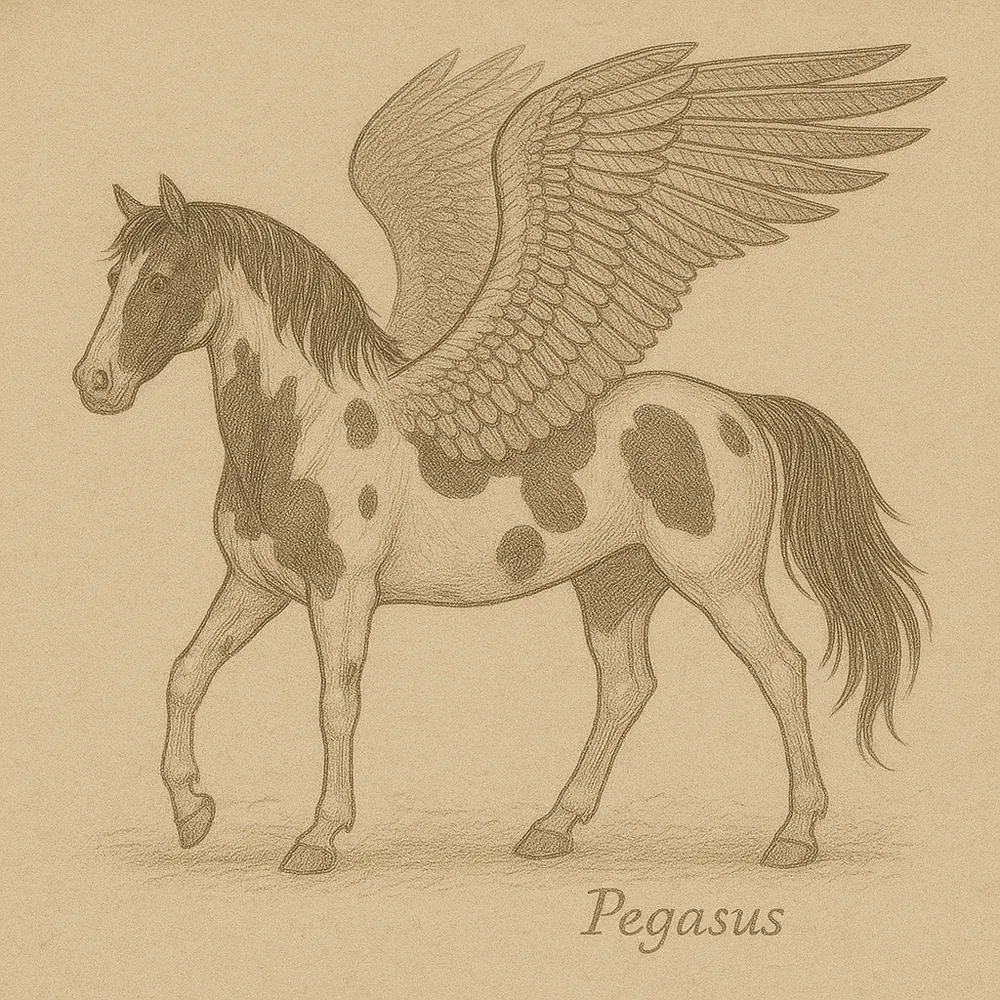
Dappled grey or white coat; broad, swan-like feathered wings.
The common courier breed. It can gallop into flight without slowing and seems to know every wind current by name.
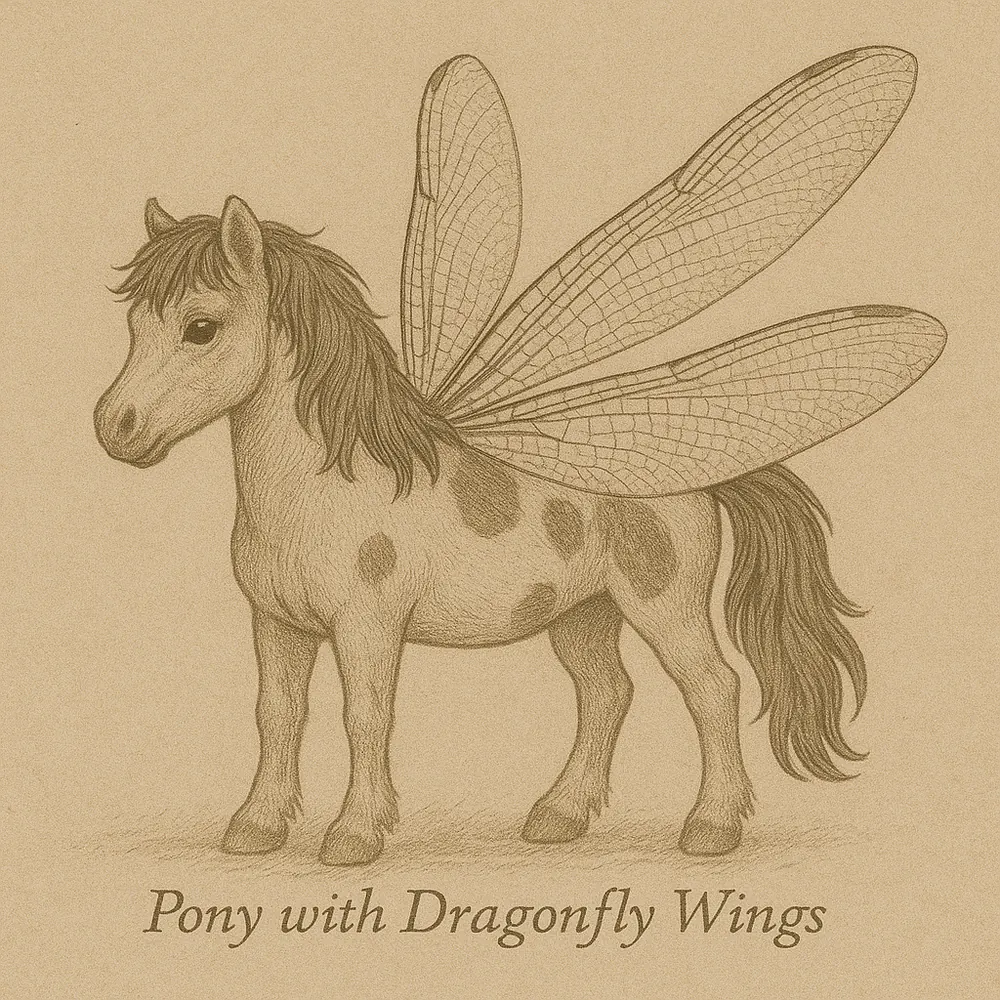
Glossy blue-black coat; veined, shimmering wings like a dragonfly’s.
Rare. It skims low over lakes and rivers, and the Sirens claim it can fly underwater for short distances if it is in a good mood.
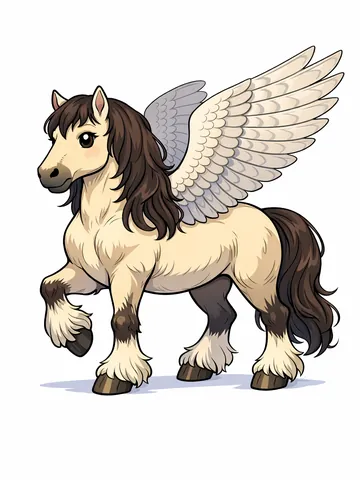
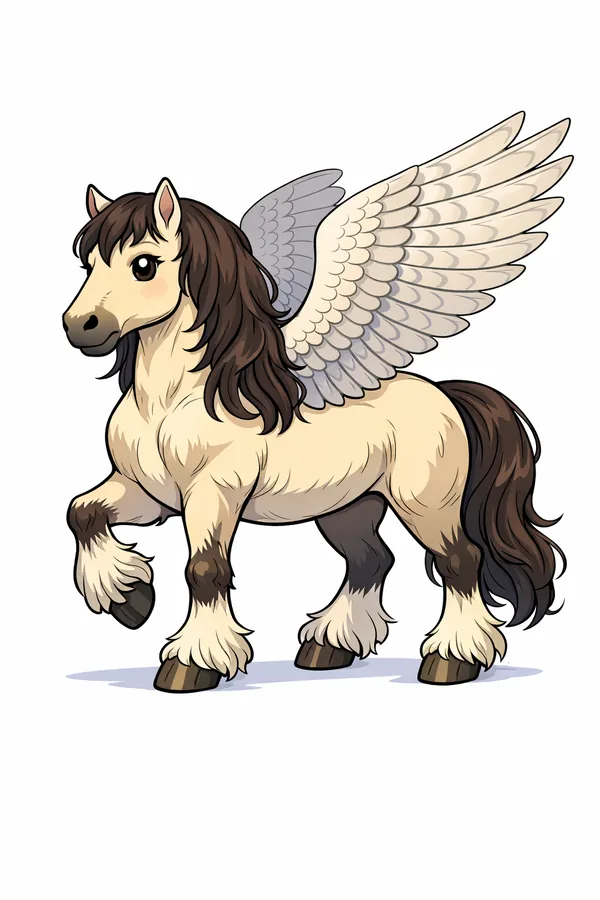
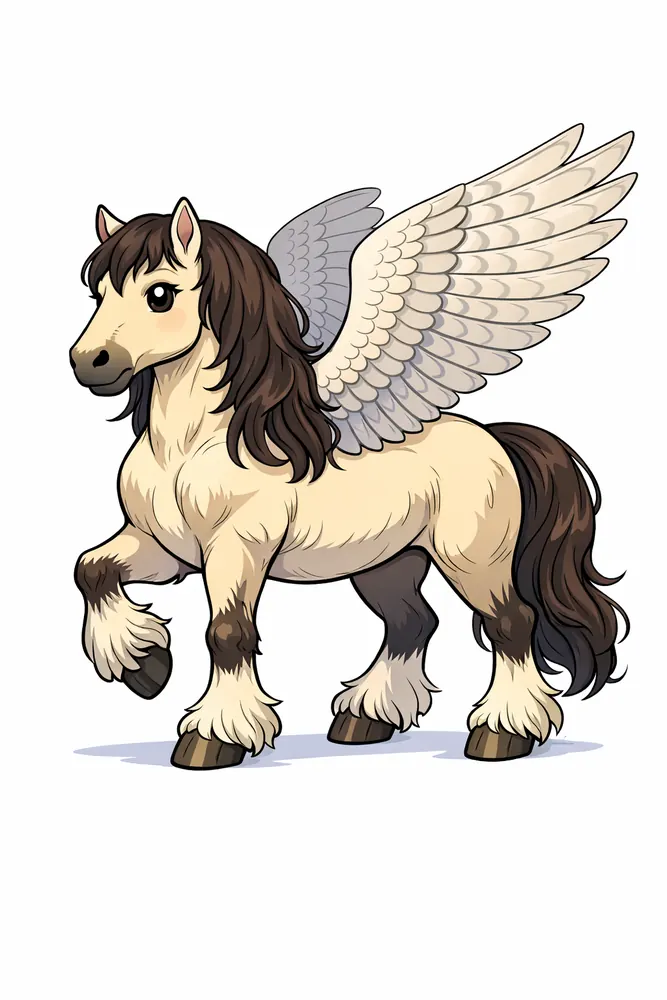
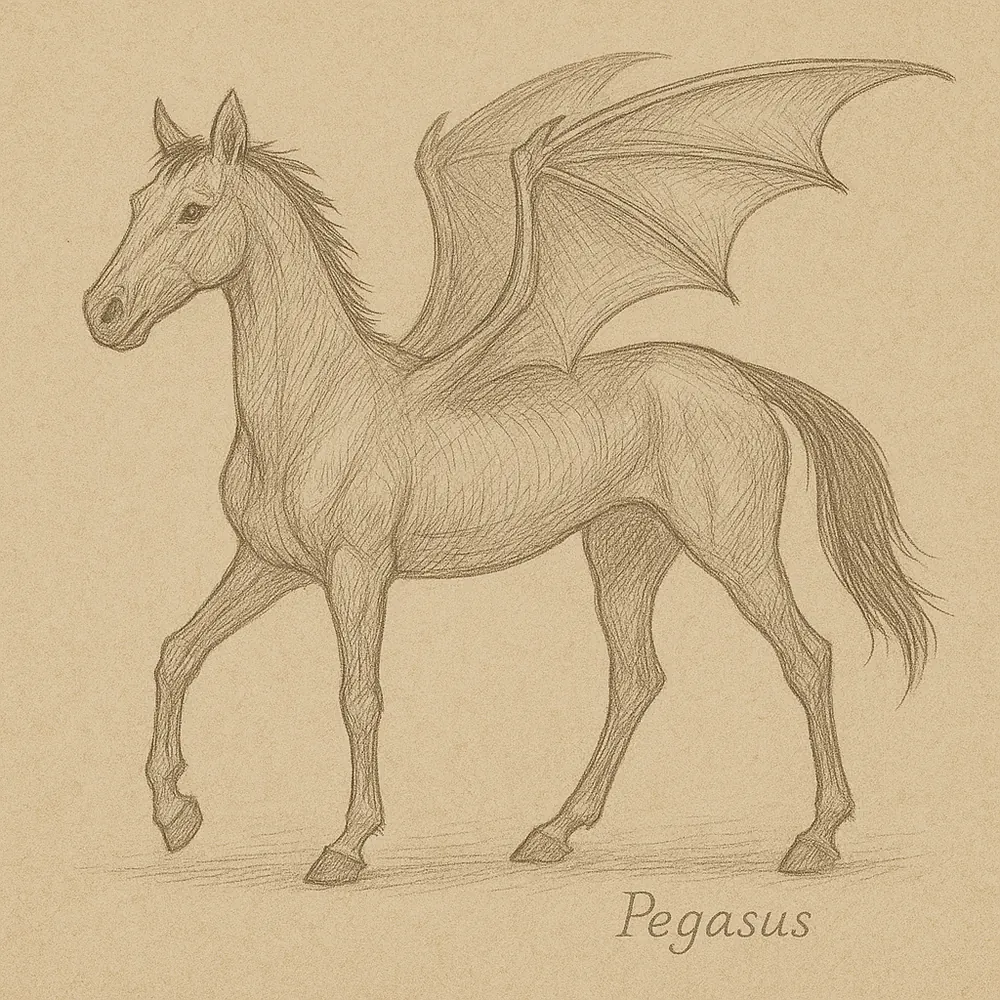
Stocky brown hill-pony build; short, stiff, mottled wings.
Barely flies at all, and is perfectly happy about it. It is the strongest of the breeds and can carry a laden cart up a cliff path while everyone else is still arguing about the route.
Ambrose PenhallowLorekeeper, Midlands Grand Academy